Guide · updated 2026-10-12
What Is Contrast Therapy? A Beginner's Guide
What is contrast therapy? A beginner’s guide to alternating sauna heat and cold plunge immersion — how sessions work, what to expect, and how to start safely.
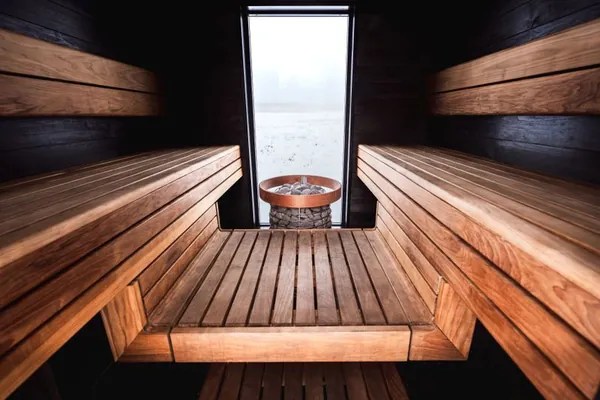
Contrast therapy is the practice of alternating between heat and cold — typically a sauna or hot tub followed by a cold plunge — in repeated cycles. It has moved from Nordic bathing tradition and athletic locker rooms into mainstream US wellness studios, where it is now one of the most-booked session types. Here is what it actually involves.
Safety note: Cold immersion stresses the cardiovascular system. If you have a heart condition, high or low blood pressure, or are pregnant, talk to your doctor first.
The basic idea
A contrast session cycles your body between hot and cold environments. The heat phase — usually a sauna at 150°F+ or an infrared cabin at 110–140°F — warms you thoroughly. The cold phase — usually a plunge tub at 45–55°F — cools you rapidly. Between or after cycles, you rest at room temperature.
A common studio pattern looks like this:
- Heat: 10–20 minutes in the sauna
- Cold: 1–3 minutes in the plunge
- Rest: 5–10 minutes at room temperature
- Repeat for 2–3 total cycles, then rewarm and rest
There is no single "correct" protocol — studios, traditions, and individuals all vary the timing. The pattern above is a typical starting template, not a prescription.
Where it comes from
Alternating heat and cold is not new. Finnish sauna culture has paired hot saunas with cold dips — in lakes, the sea, or snow — for centuries. Similar hot-cold bathing rhythms appear in Russian banya tradition, Japanese onsen culture, and Roman bathhouses. The modern studio version packages that same rhythm into a bookable 45- to 90-minute session.
What each side of the cycle involves
The hot side is usually a traditional or infrared sauna (see our infrared vs. traditional comparison). Some studios use hot tubs, steam rooms, or heated pools instead. The goal is simply to get thoroughly warm and sweating before the cold.
The cold side is usually a dedicated plunge tub, typically kept between 45°F and 55°F at studios. Some places use cold showers, cold pools, or (in winter climates) outdoor cold air. Our temperature guide explains what different water temps feel like.
What people report about it
Ask regulars why they do it and you will hear similar themes: they feel alert and energized afterward, they enjoy the mental challenge of the cold, and they like the ritual of it — a forced pause from screens and stress. Some people report it helps them unwind after training or long workdays.
What you will not find here are promises: research on hot-cold contrast routines is still early, and no honest guide can tell you it treats, cures, or prevents any condition. Treat it as a wellness practice you enjoy, not a therapy with guaranteed outcomes. If you have a health condition, talk to your doctor before starting — the cardiovascular note at the top of this page applies to everyone.
Studio vs. home
Most beginners start at a studio: the temperatures are controlled, staff can orient you, and you are supervised. Home setups — a sauna plus a plunge tub — are a bigger investment but offer total convenience. Our studio vs. at-home guide walks through the cost math.
How to start safely
- Book a guided or staffed session first. Tell them you are new; a good studio will adjust temperatures and timing for you.
- Start mild. Warmer plunge water and shorter cold stays. You can always go colder or longer next time.
- Never plunge alone as a beginner, and never while intoxicated.
- Exit if you feel dizzy, numb, nauseous, or unwell — in either the heat or the cold. There is no benefit in pushing through warning signs.
- Rewarm gradually afterward rather than jumping straight into a hot shower.
Find contrast therapy near you
Ready to try it? Browse contrast therapy studios by state to find sauna-and-plunge studios in your city.
Contrast therapy vs. other recovery practices
It helps to place contrast therapy among its neighbors. A sauna-only session is just the heat half — relaxing on its own, without the cold shock. A cold plunge-only session is just the cold half — bracing and alerting, without the deep warmth first. Cryotherapy (whole-body chambers at extremely low air temperatures for 2–3 minutes) is a different modality entirely: cold air, not cold water, and no heat component. Contrast therapy's distinctive feature is the alternation — the back-and-forth between hot and cold that defines the experience. People who try all of them tend to have strong preferences, which is another argument for sampling via intro offers before committing to a membership.
What a first month looks like
A sensible ramp: week 1, one studio session with 2 gentle cycles (shorter sauna rounds, a mild plunge, generous rest). Weeks 2–3, one to two sessions per week, extending plunge time only as comfort allows. Week 4, reassess: do you look forward to it? Are you sleeping and recovering well? If yes, you have found your rhythm — for most people that settles at 1–3 sessions per week indefinitely. There is no need to escalate temperatures downward or times upward once you feel good. The people who stick with contrast therapy for years are rarely the ones who went hardest in month one.
The content in this guide is for informational purposes only and is not medical advice. Cold plunge studios vary in how they operate, and prices and availability change often — confirm details with the studio before you book. Read our full disclaimer.