Guide · updated 2026-10-12
Red Light Therapy: What It Is & Where to Find It
Red light therapy explained: what it is, what a session is like, where to find red light studios near you, and what the research actually says so far.
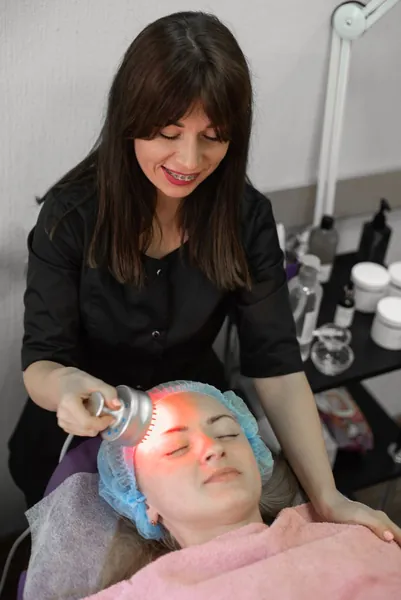
Red light therapy has become a standard add-on at sauna and contrast studios across the US — you will see the glowing red panels in private suites from national chains to independent wellness studios. Here is what it actually is, what a session involves, and where to find it.
What red light therapy is
Red light therapy (also called photobiomodulation in clinical literature) exposes the skin to low levels of red and near-infrared light, typically from LED panels. Unlike a sauna, there is no meaningful heat — you do not sweat. Unlike UV tanning beds, it does not use ultraviolet light.
In studio settings, it is offered as a general wellness amenity: you sit or lie near the panels, often clothed minimally or in regular clothes depending on the studio, for a short session while the lights do their thing. Many infrared sauna studios — including chains like Perspire Sauna Studio and beem Light Sauna — build red light panels directly into their sauna suites or offer it as a standalone session.
What a session is like
- Duration: typically 10–20 minutes
- What you wear: varies by studio — some sessions are done in regular clothes, others recommend exposing the skin areas you want treated. The studio will tell you their protocol.
- What you feel: mild warmth at most. Most people read, meditate, or just rest.
- Frequency: studios often suggest multiple sessions per week for regulars, usually as part of a membership or add-on package.
- Eye safety: reputable studios provide protective eyewear or guidance on not staring directly at high-intensity panels. Follow their instructions.
What the research actually says
Here is the honest version: research on red light therapy exists but is early and mixed. Small studies have explored various uses, but the evidence base is nowhere near strong enough to support specific health claims — which is why you will not find any promised outcomes in this guide, and you should be skeptical of any studio or product that guarantees results.
Studios offer it as a wellness amenity, similar to how they offer eucalyptus in the sauna or lounge areas — a pleasant part of the experience, not a treatment. If you enjoy the sessions and the price makes sense to you, that is reason enough. If a provider claims it cures or treats a medical condition, that is a red flag, not a selling point.
Where to find red light therapy near you
- Infrared sauna studios are the most common source — many bundle red light with sauna sessions or sell it as an add-on. Check our studio directory for locations near you.
- Dedicated wellness and recovery studios (places offering compression, cryotherapy, or IV therapy — Restore Hyper Wellness locations, for example) frequently list red light among their services.
- Some gyms, spas, and tanning salons have added red light beds or panels as an amenity.
When comparing: ask whether red light is included in the session price or a separate add-on, what kind of device they use (panels vs. full-body bed), and session length limits.
What it costs
Pricing varies widely. As a standalone service, single sessions often run in the $25–$60 range at US studios, with memberships and add-on bundles bringing the per-session cost down. Many sauna studios include it free with sauna or contrast sessions — always ask what is bundled before paying extra.
At-home devices: a brief note
Consumer red light panels are widely sold online, ranging from small handheld units to full-body panels costing thousands. Quality varies enormously, and marketing claims routinely outrun the evidence. If you are considering one, trying studio sessions first is a far cheaper way to decide whether you enjoy it before investing.
Find studios offering red light near you
Browse studios by state and look for the red light amenity to find sessions in your city.
Red light vs. infrared sauna: don't confuse them
The names sound similar and they often appear in the same building, but they are different services. An infrared sauna uses infrared panels to heat your body — you sweat, the session runs 20–40 minutes, and heat is the point. Red light therapy uses lower-intensity red and near-infrared light with no meaningful heat — you do not sweat, sessions run 10–20 minutes, and relaxation is the point. Studios sometimes blur the line in marketing ("infrared" appears in both names), so when booking, confirm which one you are actually getting. Many studios offer both, sometimes in the same suite visit — sauna first, red light after — which is a pleasant combination as long as you understand you are buying two distinct amenities.
The content in this guide is for informational purposes only and is not medical advice. Cold plunge studios vary in how they operate, and prices and availability change often — confirm details with the studio before you book. Read our full disclaimer.